In my previous post I highlighted the Oscoda Township’s Beach Park. As we were walking around the park that day, we came across a historical marker that marked a significant event that happened in the area. After doing a bit of research I decided it deserved a post of it’s own.
In the early 20th century, the sister cities of Oscoda and AuSable Michigan were lumber towns. The lumber trade not only provided for the towns economically, but lumber was heavily used in all of their infrastructure.
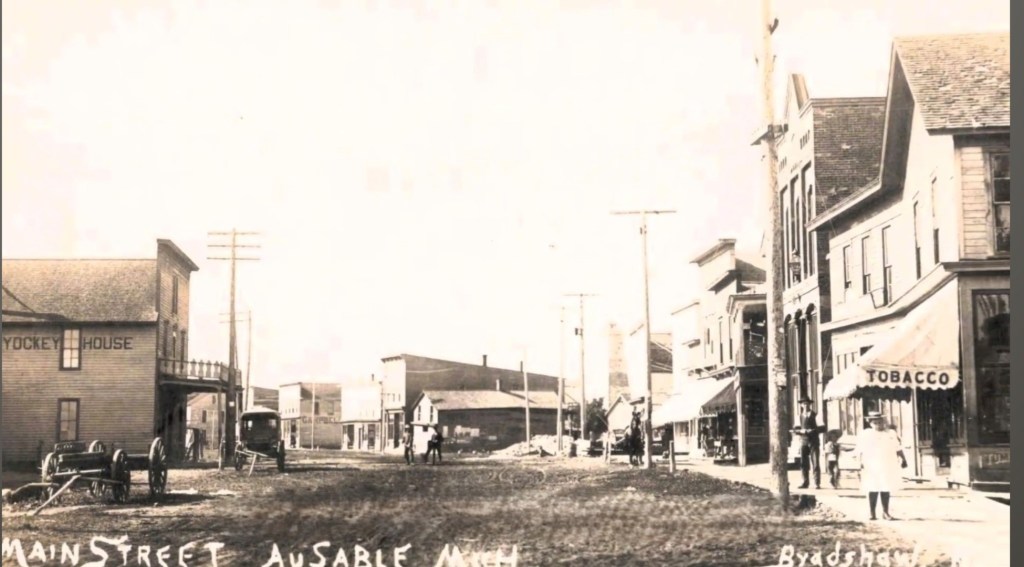
The month of July had been very hot and very dry in northern Michigan. A small, contained forest fire had been burning outside of AuSable for three days but was not any cause for concern. However, a series of events were about to take place that would forever change the lives of the townspeople.
On July 11th, 1911, extremely strong winds reaching 30-50 mph fanned the flames of the forest fire into the town of AuSable. In the nearby town of Oscoda, sparks from a passing locomotive ignited dry brush growing near the tracks, a second fire began to spread. Eventually the two fires united, due to both towns being primarily constructed of lumber the buildings fueled the fire causing it to rapidly consume both towns, sending residents running to safety with just the clothes on their backs.
The residents fled to the shores of Lake Huron, with many wading into the waters seeking relief from the intense heat. The sister cities of Oscoda & AuSable were completely burned to the ground within two hours.
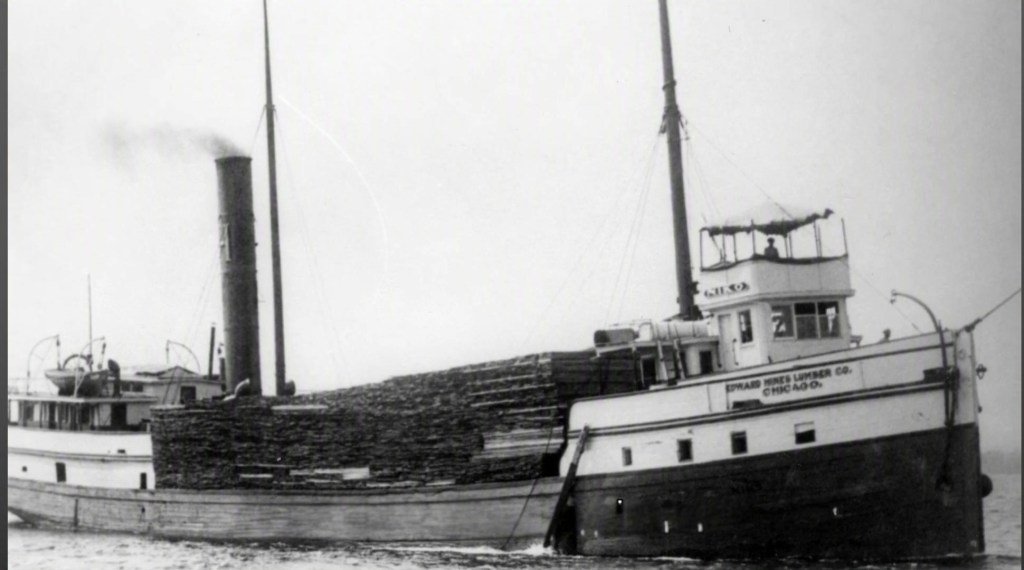
Tragedy seems to bring out the best in people, and this occasion was no exception. Captain Ralph D. Meyers of the steamship Niko rescued 280 people from the waters of Lake Huron. There are 5 deaths listed as associated to this fire, however it is estimated that as many as 50 may have lost their lives, but their names were never documented.
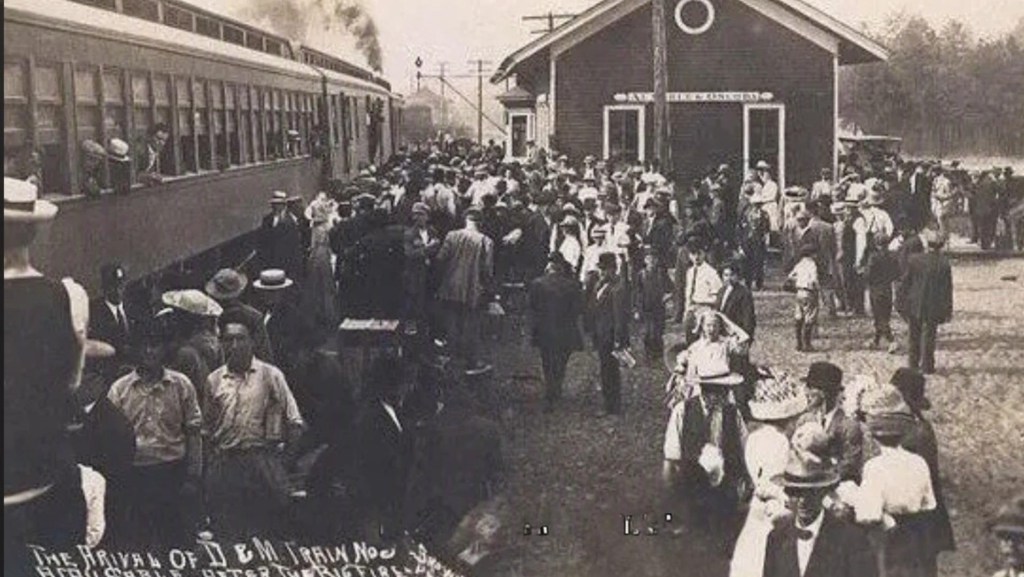
In the aftermath of the fire, the Red Cross helped to facilitate the relocation of displaced townspeople to the cities of Tawas, Bay City and Port Huron. Many never returned opting to begin anew in their cities of refuge.
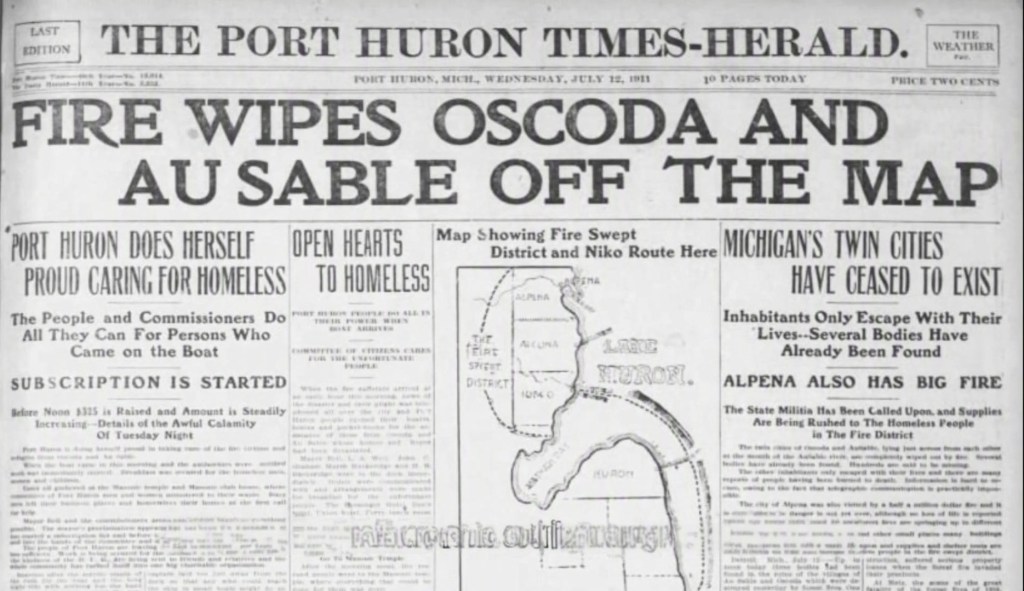
The headlines in the newspapers were not an exaggeration!
Complete devastation…
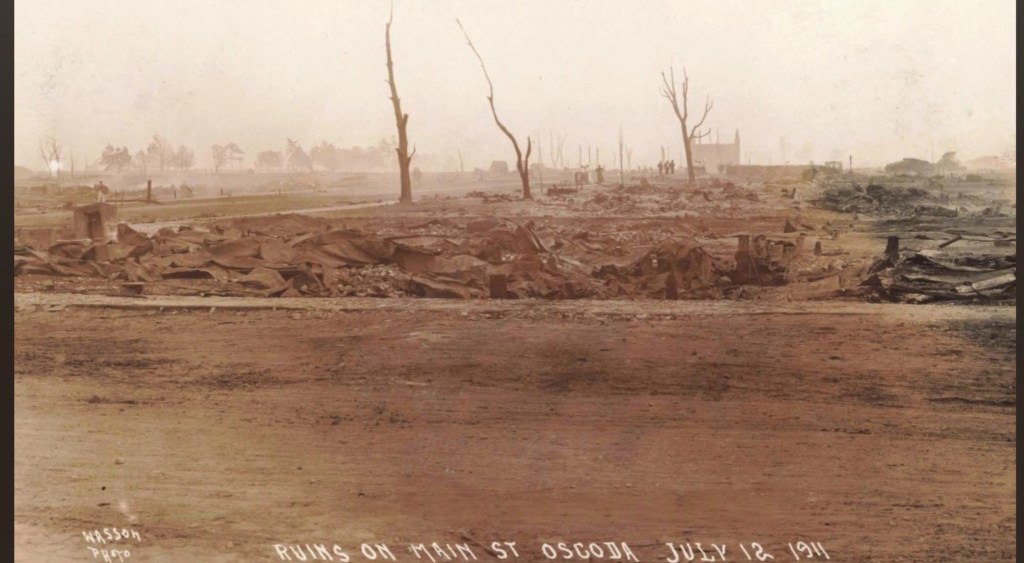
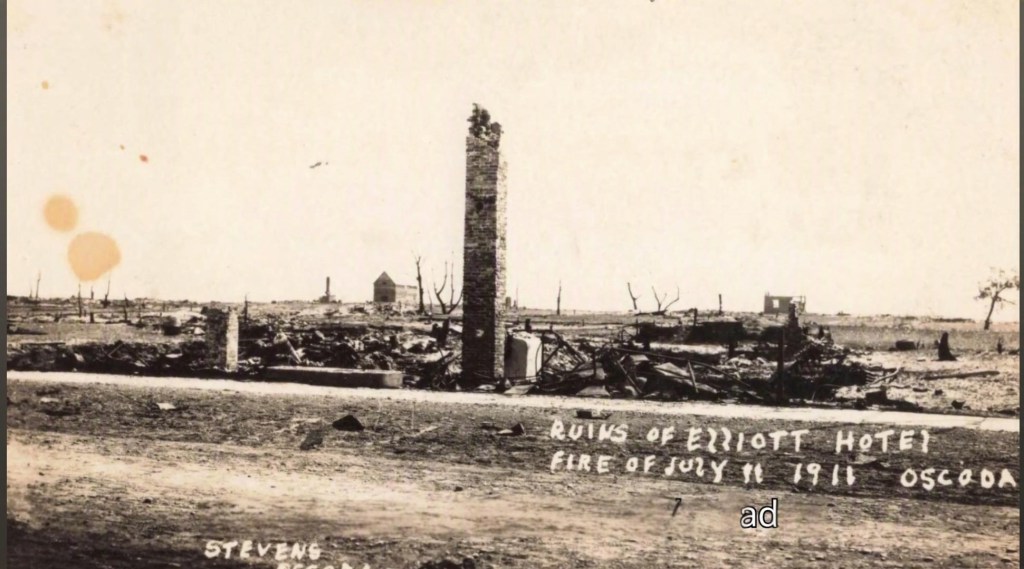
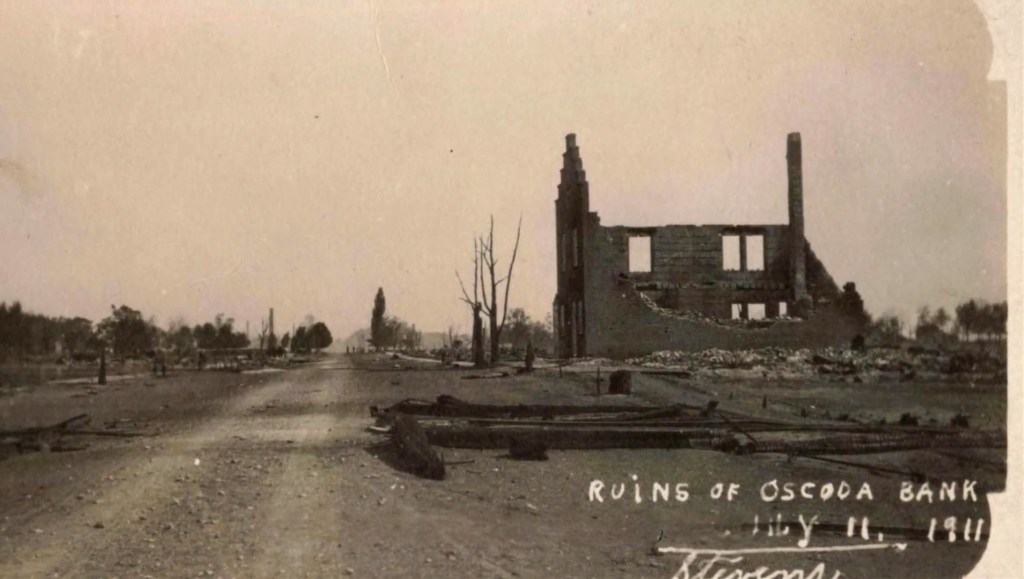
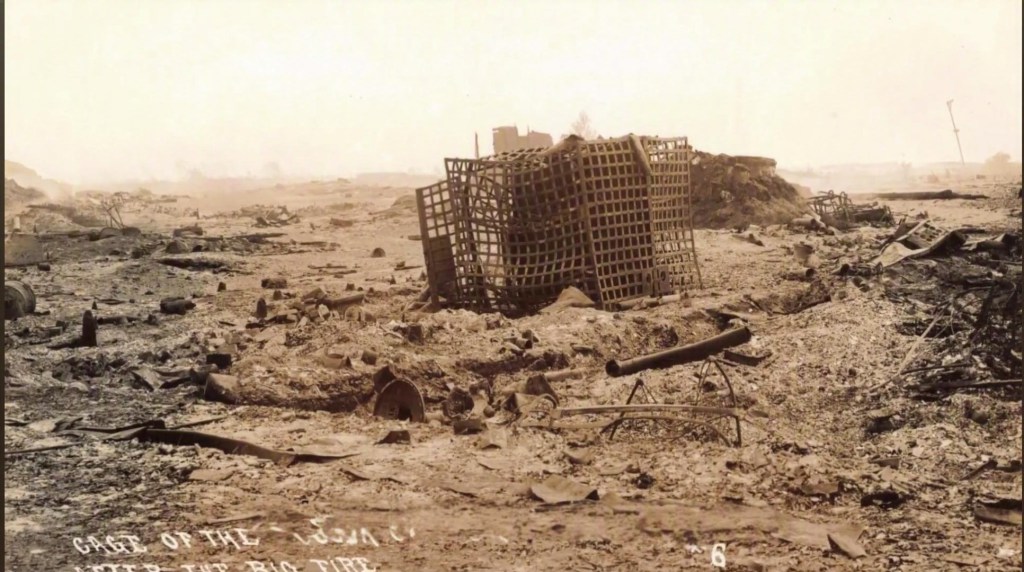
Joseph Turcott owned the Turcott Foundry in Oscoda, which provided employment to many of the townspeople. The foundry was a total loss, only adding to Joseph Turcott’s woes, as his 24-year-old son, William, died from drowning off Tawas Point just the previous year.
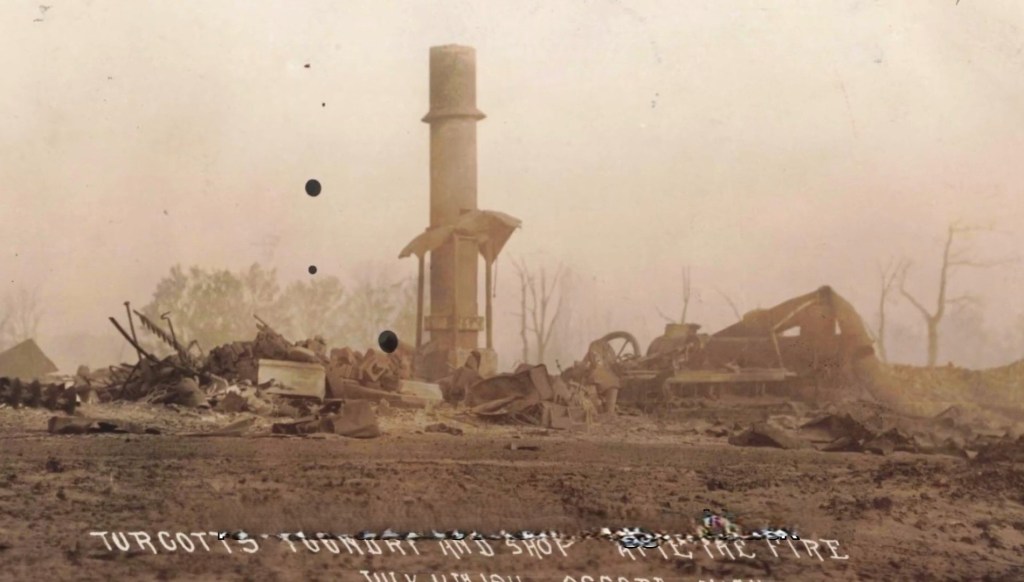
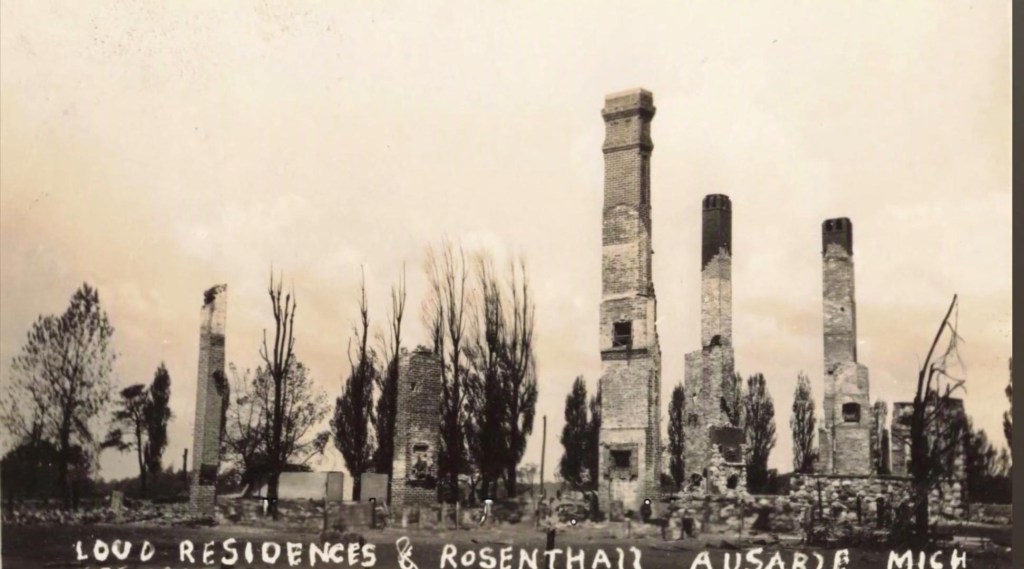
It wasn’t only the business district that was annihilated, residential areas were devastated also…
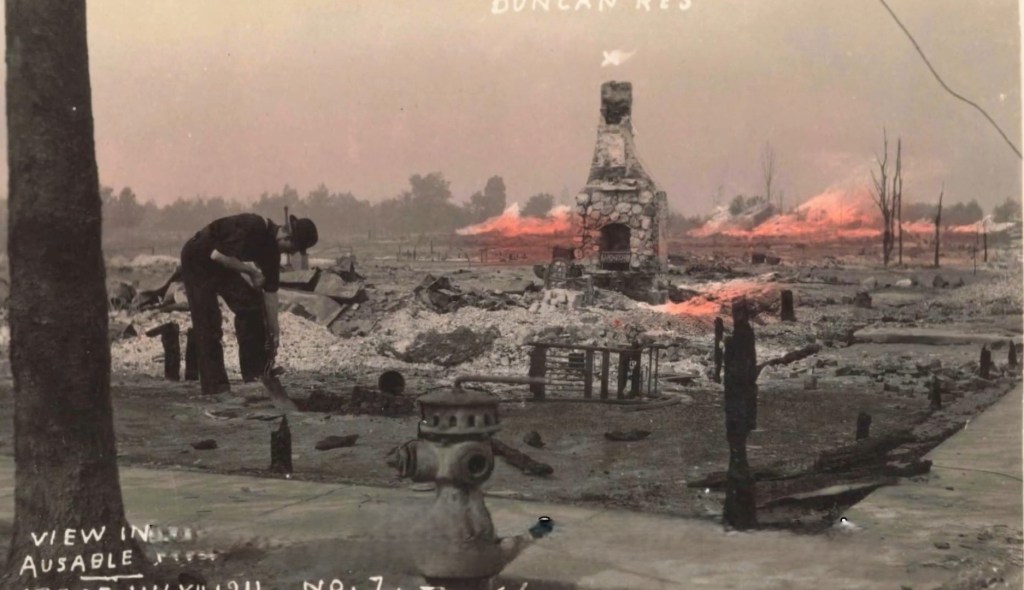
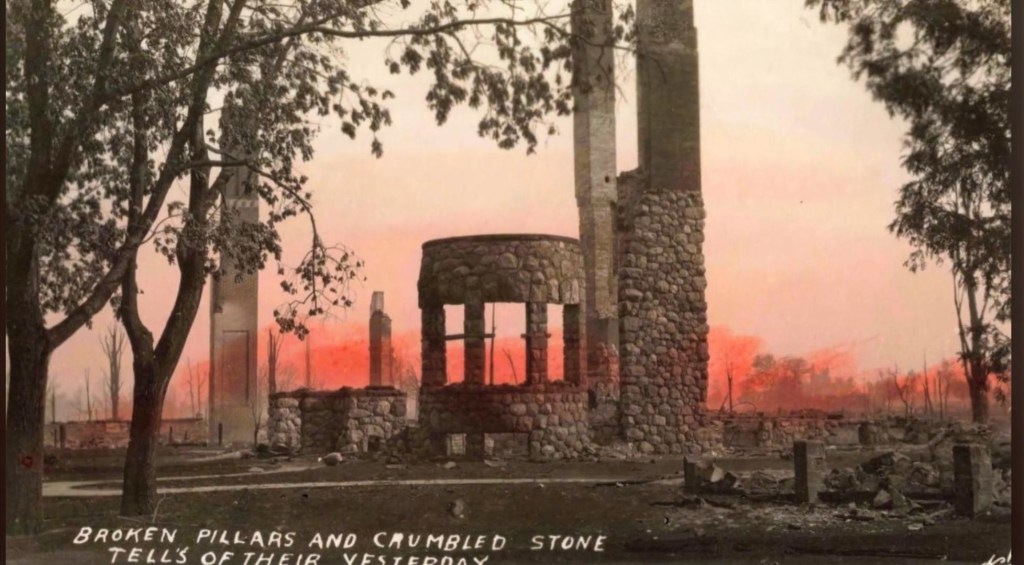
Nothing but stone chimneys remained…
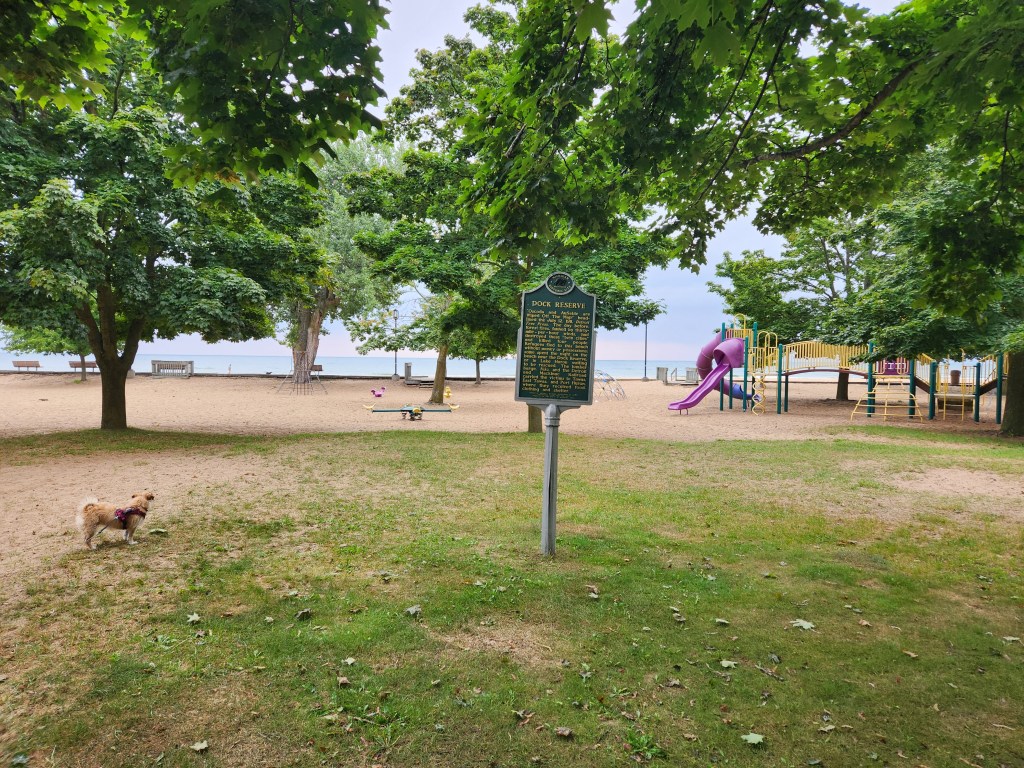
Today the area where residents fled to the safety of Lake Huron waters is now known as Oscoda Township Beach Park. This marker stands as a reminder of what took place here over a century ago.
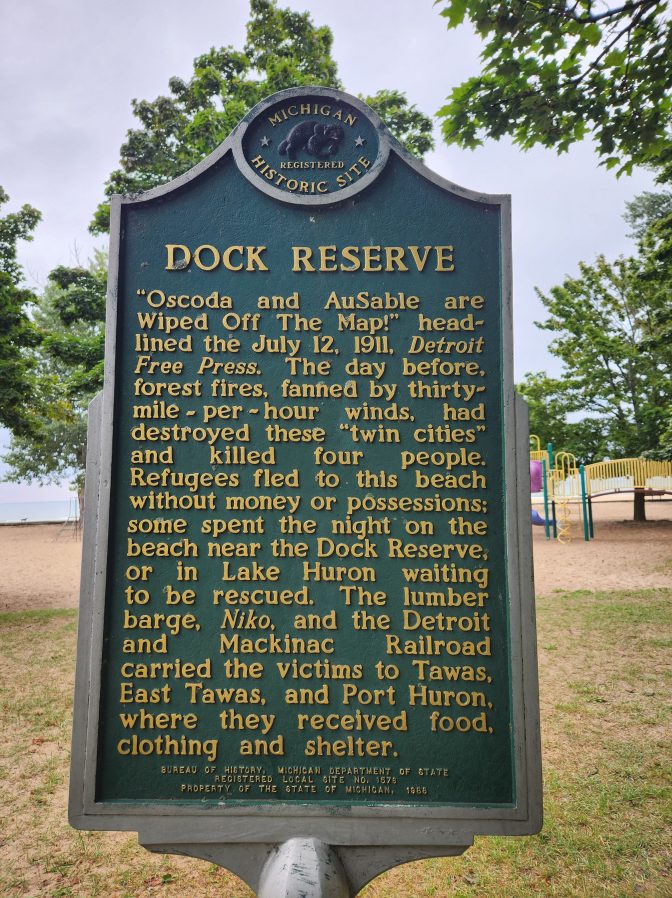
The area today is a place of joy and peace…
All photos were taken from the Michigan Moments YouTube page. (https://www.youtube.com/watch?v=9Pooc2XiYqg)


Very cool history.Sent from my iPadOn Sep 16, 2026,
LikeLiked by 1 person